Industry Applications
Automation Systems Designed for Real Industrial Environments
Industrial automation does not operate in isolation.
Every industry operates within its own operational realities, environmental constraints, safety requirements, and performance expectations.
A manufacturing plant, an offshore platform, and a logistics warehouse may all rely on automation technologies, yet the systems supporting them must be engineered differently.
Industrial automation is not about devices. It is about how every layer of your system works together over the next decade.
PT Sistem Integra Solusindo delivers structured industrial architecture that integrates sensing, control, visualization, edge computing, and secure cloud connectivity into a cohesive automation ecosystem.
Industrial Systems Differ Across Industries
Automation systems are shaped by the environments in which they operate.
A food processing facility must maintain strict hygiene and full product traceability.
An offshore platform operates in hazardous and remote environments.
A logistics warehouse requires real-time tracking and coordinated material flow.
Each industry presents its own combination of:
01
Operational conditions
02
Regulatory requirements
03
Machine environments
04
Safety standards
05
Data visibility needs
Designing automation systems for these environments requires more than selecting devices. It requires a structured architecture that connects machines, operators, and digital systems into one reliable operational framework.
A Structured Automation Architecture
Reliable industrial automation systems are built across multiple technology layers working together as one integrated environment.
PT Sistem Integra Solusindo structures automation solutions through a layered system architecture that connects the physical machine environment with digital operational intelligence.
Field Layer
Sensors, machine vision systems, RFID technologies, and safety devices capture operational signals from machines and production environments.
Control Layer
Interface & Edge Layer
Connectivity Layer
Cloud & IIoT Layer
Industrial IoT platforms enable remote monitoring, predictive maintenance strategies, and long-term operational intelligence.
This layered architecture forms the digital backbone of modern industrial operations.
Industries We Support
PT Sistem Integra Solusindo applies this automation architecture across a wide range of industrial sectors, adapting system designs to the operational needs of each environment.
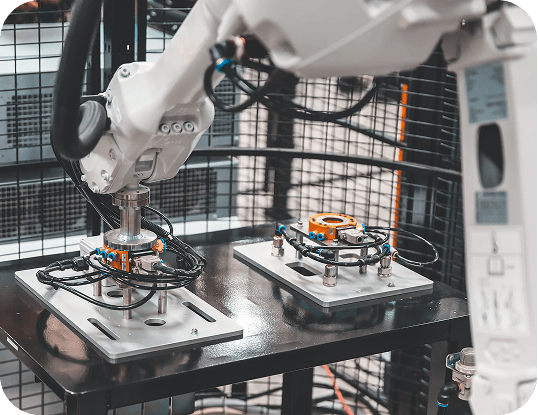
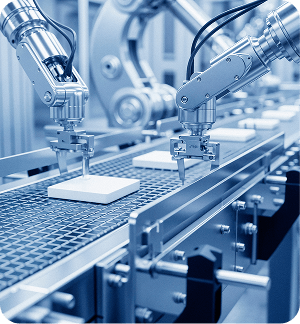
Manufacturing
Manufacturing facilities depend on coordinated machine control, automated inspection, and real-time production monitoring.
Automation platforms support machine integration, production line visibility, quality inspection systems, and equipment performance monitoring, helping manufacturers reduce downtime and improve operational efficiency across complex production environments.
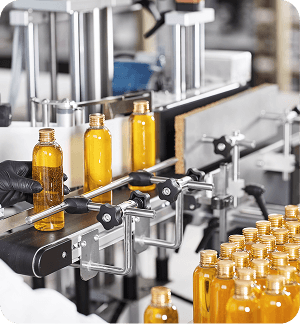
Food, Beverage & Pharmaceutical Production
Food and pharmaceutical production facilities operate under strict hygiene, traceability, and process consistency requirements.
Automation systems support controlled production processes, product traceability, batch monitoring, and operator interfaces designed for hygienic environments.
These systems help maintain consistent product quality while meeting regulatory and sanitation standards.
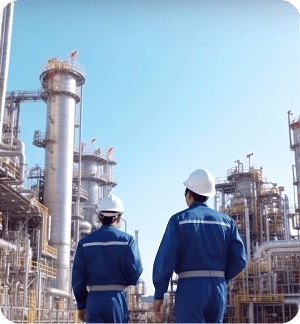
Oil & Gas Operations
Oil & Gas facilities operate in demanding and often hazardous environments where reliability and safety are critical.
Automation platforms enable continuous monitoring of critical infrastructure, process control across distributed facilities, and secure operational visibility for upstream, midstream, and downstream operations.
These systems support safe and reliable operations in remote and high-risk environments.
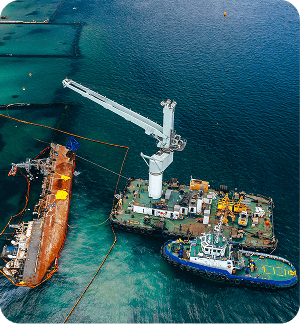
Marine & Offshore Operations
Marine and offshore environments require automation systems capable of operating under harsh weather conditions, vibration, and continuous duty cycles.
Automation platforms support monitoring of vessel machinery, onboard systems, and operational equipment while maintaining safe interaction with critical marine infrastructure.
Reliable visualization and control systems help ensure operational continuity across marine environments.
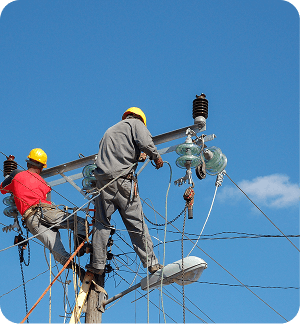
Utilities
Energy infrastructure and utility networks rely on continuous monitoring and reliable operational control.
Automation systems support monitoring of distributed assets such as pumping stations, energy distribution systems, and infrastructure networks, enabling operators to maintain visibility and reliability across geographically dispersed operations.
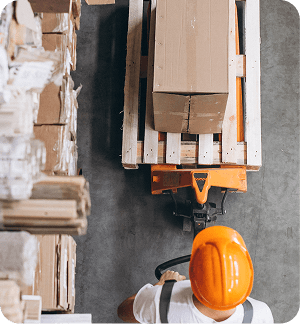
Logistics & Warehouse
Modern logistics and warehouse environments require accurate asset tracking, automated material handling, and rea
Automation platforms integrate sensors, RFID technologies, and control systems to coordinate equipment movement, track inventory flows, and maintain efficient logistics operations across large-scale facilities.
From Machine Data to Operational Intelligence
Industrial equipment continuously generates operational data.
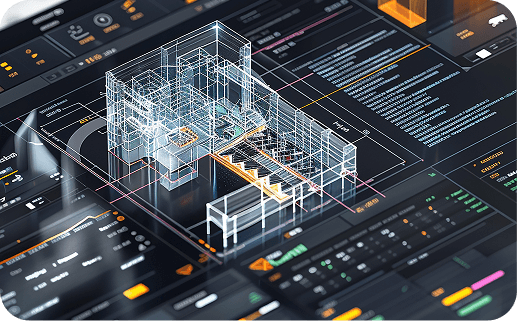
Through edge computing and industrial IoT platforms, organizations can monitor equipment performance, analyze operational trends, and manage distributed assets through centralized operational dashboards.
By connecting machines, operators, and digital platforms, SIS helps organizations move from traditional automation toward intelligent, data-driven industrial operations.

Discuss Your Industrial Automation Needs
Every industrial facility operates under different constraints, machine environments, and operational priorities.
If your organization is evaluating automation modernization, system integration, or digital connectivity initiatives, our engineering team is ready to support your operations with a structured automation approach.